
TECHNICAL GUIDE
Export Packaging Checklist for Custom Sign Shipments
Review product protection, labels, hardware groups, cartons, crates and shipment records before international handover.
- Protection selected by sign construction
- Project and location labeling
- Packing photos and package data
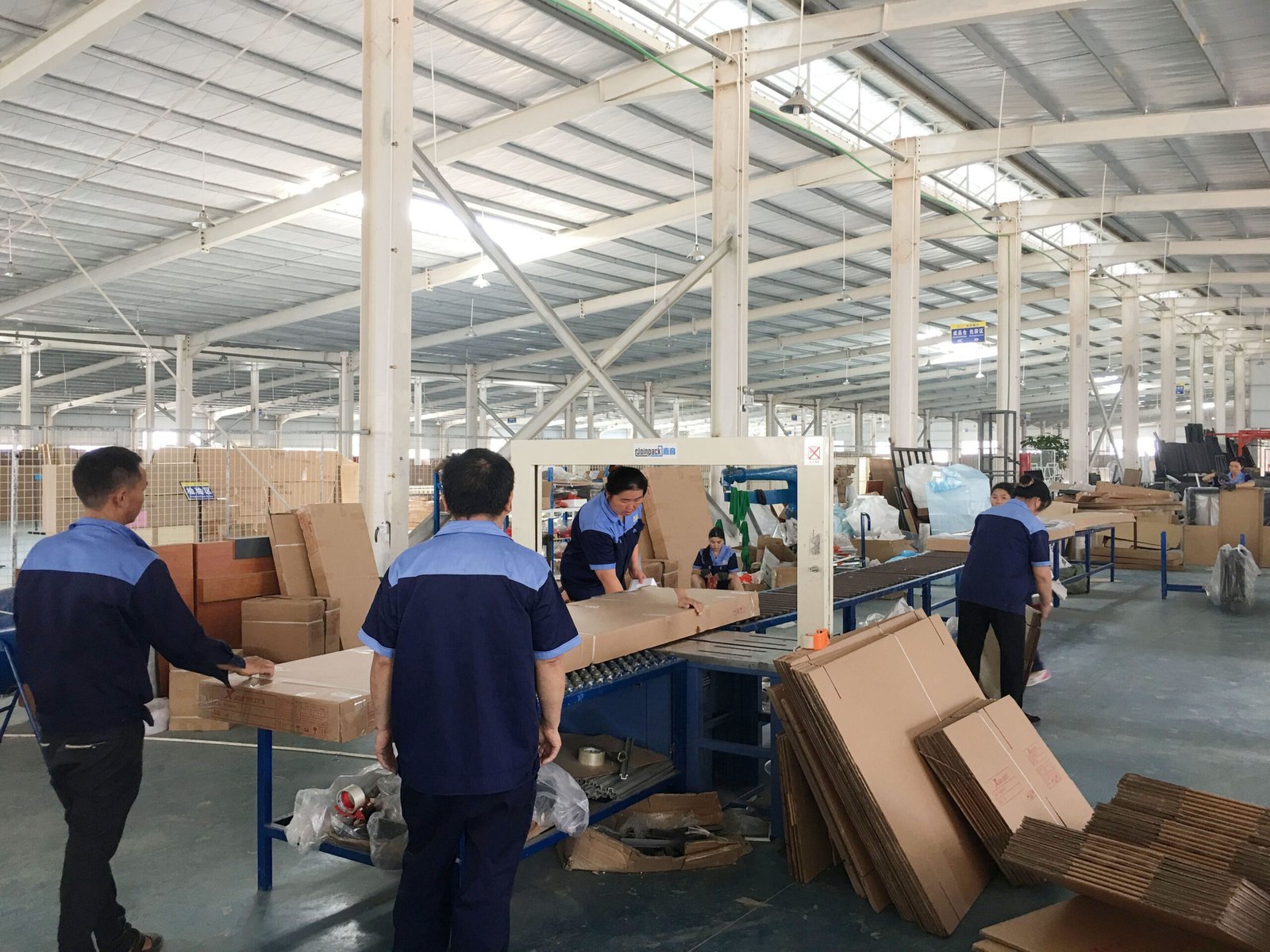
1. Identify Fragile and Finished Surfaces
Acrylic faces, polished metal, painted returns, bulbs, projecting brackets and exposed wiring need different protection.
- Protect faces and finished surfaces from abrasion
- Separate projecting or detachable components
- Remove and isolate fragile bulbs where practical
- Prevent pressure on acrylic and thin returns
2. Choose the Outer Package
Cartons, honeycomb structures and wood crates are selected around size, weight, fragility and expected handling.
- Reinforced carton for compact products
- Honeycomb and foam for internal separation
- Wood crate for large, heavy or fragile assemblies
- Sectioned packages for handling limits
3. Group Hardware and Electrical Parts
Loose parts should be protected, bagged and labeled so installers can match them to the correct sign or location.
- Studs, spacers and fasteners
- Rails, raceways and brackets
- Power supplies, controllers and cables
- Spare bulbs or agreed service parts
4. Apply Project Labels
Use sign, letter, store, floor or location codes consistently across drawings, cartons and internal bags.
- Carton number and total quantity
- Project or location code
- Sign or letter identification
- Handling and orientation marks where required
5. Record the Handover
Photographs and package data help the buyer review the completed shipment and coordinate receiving.
- Product condition before packing
- Internal protection and hardware photos
- Closed package and label photos
- Package dimensions, weight and shipment reference
DECISION REFERENCE
Match Packaging Controls to Product Risk and Handover Needs
Packaging should protect the actual construction while keeping parts identifiable for receiving and installation.
| Packing control | Risk addressed | Handover evidence |
|---|---|---|
| Surface and edge protection | Scratches, abrasion, impact and adhesive transfer on finished faces. | Approved protective layers, contact materials and unpacking notes. |
| Carton or plywood crate | Handling, stacking and transport exposure for the product size and weight. | Package type, internal blocking, lifting or orientation marks and package dimensions. |
| Separated accessories | Damage or loss when hardware and electrical parts move against finished products. | Labeled bags or boxes, component list and location within the package. |
| Project and location labels | Mixed sets, repeat orders and multi-location allocation errors. | Project ID, location code, package count and matching drawing reference. |
| Packing records | Disputes or uncertainty at receiving and installation. | Photos, package list, weights, dimensions and shipment handover record. |
BUYER AND PROJECT CHECKLIST
Review Protection, Identification and Receiving
Packing decisions should be made from the approved sign construction, not from a generic product label. Fragile faces, protruding studs, loose hardware and mixed-location sets need different controls.
- Identify finished surfaces, projecting parts and components that must not touch.
- Select carton, frame or crate protection for the actual dimensions and route.
- Separate and label hardware, power supplies, templates and installation accessories.
- Match package IDs to drawings, locations and package-count records.
- Record package condition, dimensions, weight and closed-package photos.
Use enhanced protection for custom logo and specialty signs, align the plan with packaging and logistics capability, code mixed sets for multi-location programs, and prepare a clear handover for sign-shop and OEM partners.
RELATED TECHNICAL GUIDES
Related Technical Guides
Carry approved project inputs and electrical component records into the shipment package.
Artwork & File Preparation Guide
Keep project names, finishes, quantities and locations aligned with package labels.
Relevant context: repeat orders and controlled references
LED Sign Voltage & Power Planning
Identify drivers, connectors and field-supplied interfaces in the package record.
Relevant context: electrical component grouping and installer handover
TECHNICAL FAQ
Export Packaging and Delivery Questions
Use these answers to identify open project inputs before quotation or drawing approval.
When is a plywood crate appropriate?
Crating is considered when size, weight, fragile construction, route or handling exposure needs more rigidity than a carton can provide. The choice remains project-specific.
Should protective film remain on finished faces?
Only when the approved film is compatible with the finish and the expected storage period. Provide removal instructions and avoid adhesives that may transfer or stain.
How should multi-location sets be separated?
Use location codes on drawings, product labels, accessory packs and outer packages, supported by a package list that the receiver can check.
What records should be kept before shipment?
Keep package photos, counts, dimensions, weights, labels and accessory lists tied to the project and shipment reference.
START YOUR PROJECT
Apply This Guide to Your Project
Upload your current artwork and site notes. We will identify which guide inputs are already complete and which still need confirmation.